Airmath Solution
When Performance Comes First
Unleashing the Power of Reciprocating Air Compressors
Exploring Features and Types

Features of Reciprocating Air Compressors
1. Portable Design: One notable feature of reciprocating air compressors is their portable design. They are available in compact sizes, making them ideal for applications where mobility is crucial. Whether it’s in construction sites or remote locations, these compressors can be easily transported and utilized.
2. User-Friendly: Reciprocating air compressors offer user-friendly operation and maintenance. They are equipped with intuitive controls and interfaces, allowing operators to efficiently monitor and control the compressor’s performance. Additionally, routine maintenance tasks such as oil changes and filter replacements can be easily carried out, ensuring optimal performance and longevity.
3. Maximum Power: Reciprocating air compressors are known for delivering maximum power. They are designed to generate high-pressure air, making them suitable for applications requiring significant force, such as powering pneumatic tools or operating heavy machinery. The ability to generate ample power ensures efficient and reliable performance in demanding environments.
4. Reliable Operation: Reliability is a crucial factor in industrial applications, and reciprocating air compressors excel in this aspect. With robust construction and high-quality components, they offer dependable and continuous operation. The durable design minimizes the risk of unexpected breakdowns and ensures consistent compressed air supply, maximizing productivity.
5. Long Life: Reciprocating air compressors are built to last. They feature heavy-duty components and advanced engineering, enabling them to withstand rigorous operating conditions. Proper maintenance and care can significantly extend the compressor’s lifespan, providing businesses with a long-term and cost-effective compressed air solution.
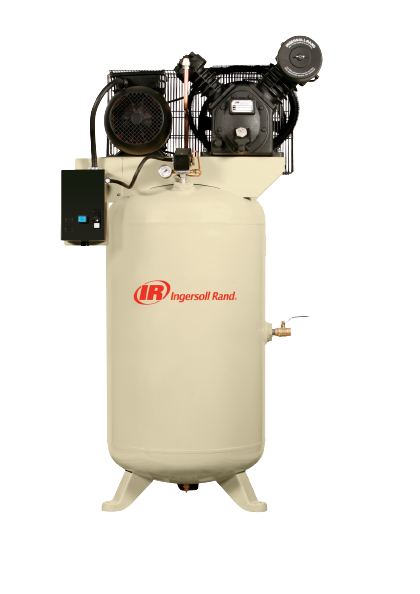
Types of
Reciprocating Air Compressors
1. Single-Stage: Single-stage reciprocating air compressors have one piston that compresses the air in a single stroke. They are suitable for low to medium pressure applications, such as small workshops or DIY projects. These compressors are cost-effective and efficient for tasks that do not require high-pressure air.
2. Two-Stage: Two-stage reciprocating air compressors have two pistons, which compress the air in two stages. This design allows for higher pressure output, making them suitable for demanding applications. Industries such as automotive, manufacturing, and construction often rely on two-stage compressors for their increased power and efficiency.